Developer Offer
Try ImaginePro API with 50 Free Credits
Build and ship AI-powered visuals with Midjourney, Flux, and more — free credits refresh every month.
Declutter Your Memories How to Sort Old Photos
Are boxes, albums, and cupboards overflowing with old family photos? For many, these piles of pictures represent a difficult task, mixing precious memories with overwhelming clutter. It’s a common dilemma: how do you honor your history without drowning in it? Experts suggest that with the right approach, you can curate a meaningful collection that tells your story.
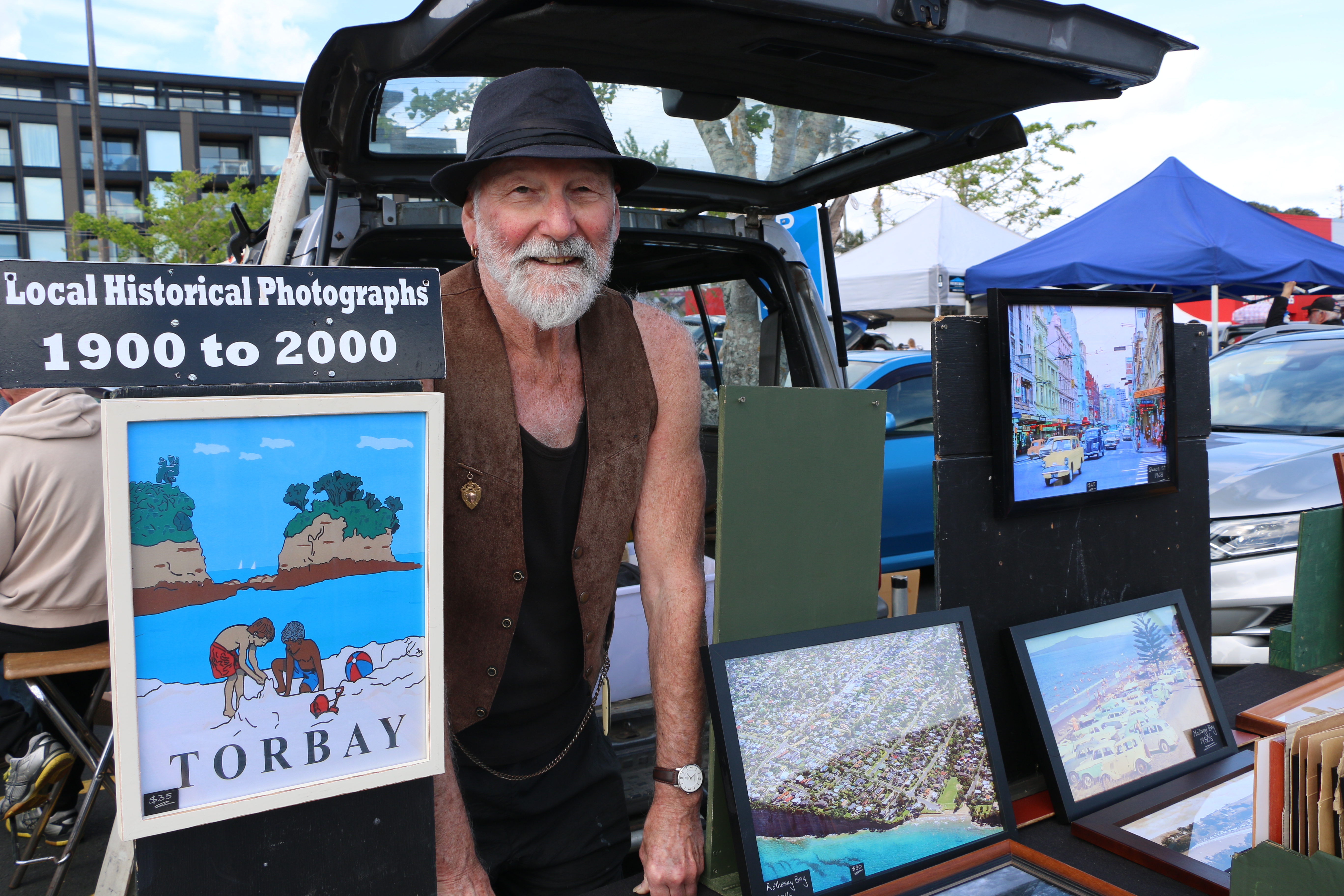
The Emotional Weight of a Box of Photos
Martin Adlington, a 74-year-old artist who finds discarded family photos during his scavenger hunts, sees lost memories in every tossed snapshot. "I hate to see that sort of waste, because that's people's memories, and it's also a very strong cultural history that's being tossed out," he says.
This emotional connection is something Hannah Stickland, director of Simplify My Home, sees regularly. Her clients often have entire cupboards filled with unsorted photos. "People often feel torn between wanting to honour their memories and not wanting to drown in clutter," she explains. The key is to find a balance.

Deciding What's Worth Keeping
So where do you begin? Stickland advises starting with intention, much like the Marie Kondo method. Go through your photos and sort them into piles: those that spark joy or tell a story, and those that don't.
"People often are holding on to duplicates as well, blurry photo shots and scenery maybe they don't recognise … or photos that bring up negative emotions," she says. These are the ones you can let go of. The goal isn't to erase the past but to create a "highlight reel" of your life's special chapters. Stickland adds, "Letting go doesn't mean you're erasing the history of somebody, just choosing which parts you want to carry forward and pass down."
Wellington photographer Adrian Heke believes that even candid, everyday moments have immense value. A photo of the house you grew up in or a funny, imperfect portrait can be incredibly powerful years later. "Those are the ones where in 20 years' time that you'll look back on that and think, 'oh, wow, yes'," he says. He also emphasizes that portraits of elders are taonga (treasures) for your whānau (family), connecting you to your ancestors.
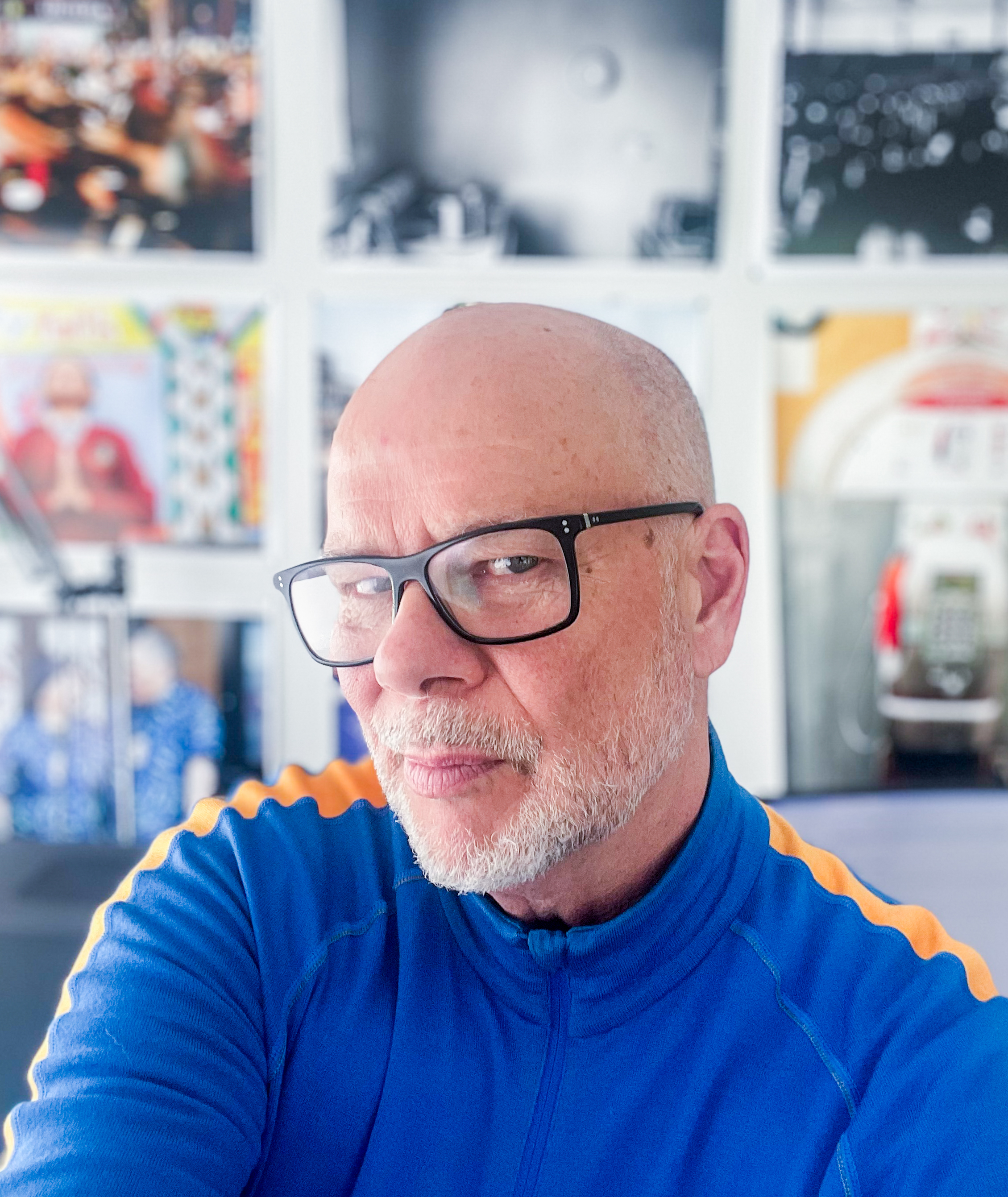
Preserving Your Cherished Memories
Once you've curated your collection, the next step is to store it properly. Creating professional photo books or organizing prints in suspended file boxes are stylish and practical options. For a more creative touch, Adlington suggests printing favorite photos on T-shirts, cushions, or canvases.
For archival purposes, follow these expert tips:
- On the back of photos, write down names, places, and dates.
- Use archival pens for labeling; a pencil is fine for photos with paper backing.
- Clearly label any USB sticks or hard drives with your digitized photos.
- Wrap photos in acid-free tissue for long-term storage.
- Handle photos by their edges to avoid touching the image surface.
- Avoid glue or sticky tape, which can cause damage over time. Use albums with polypropylene sleeves instead.
Letting Go Responsibly
What should you do with the photos you've decided not to keep? Unfortunately, most photographs can't go into your standard recycling bin due to their chemical coating. However, instead of sending them to a landfill, you can use them in craft projects or journals.
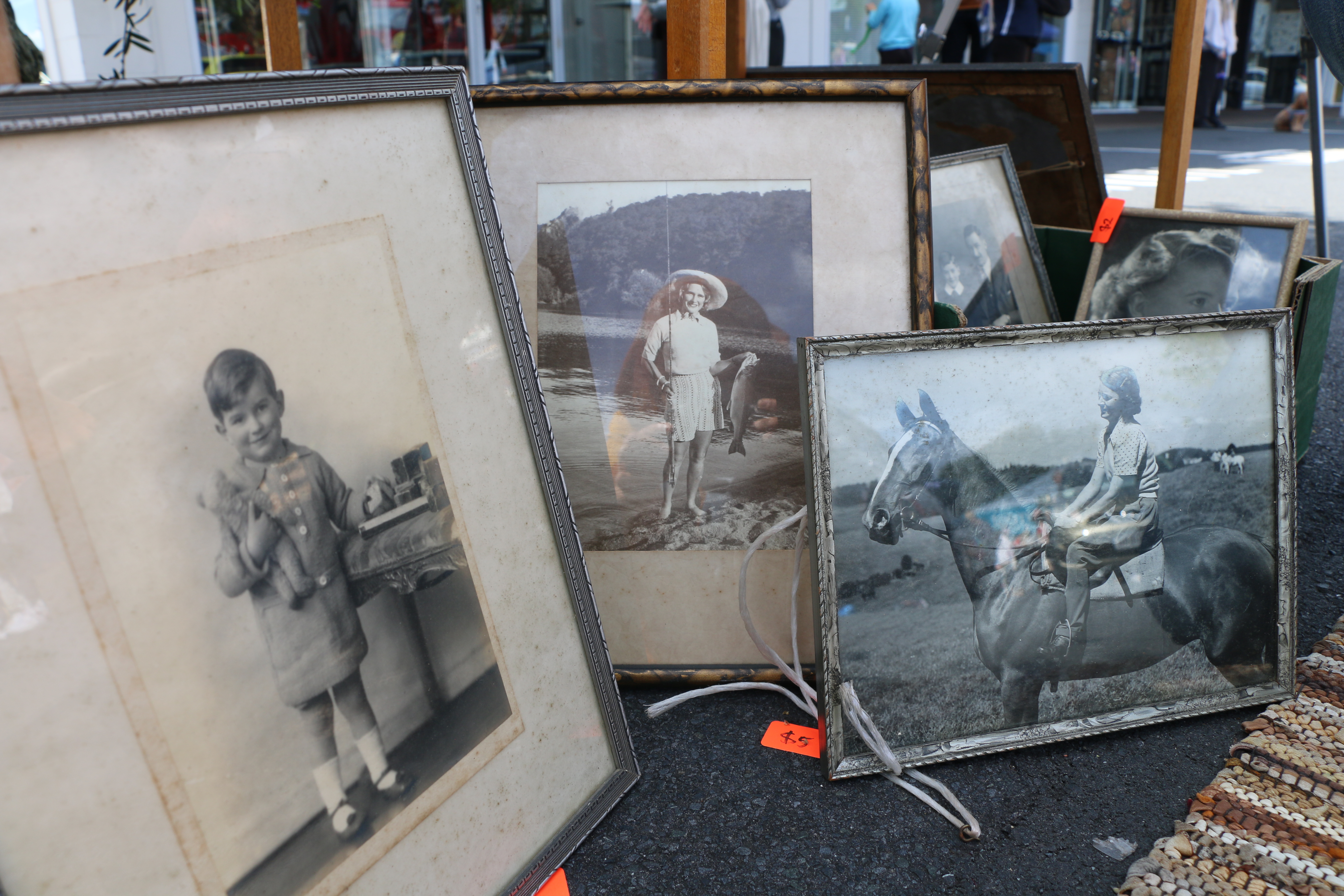
Adlington suggests another valuable option: donation. "Lots of museums, even smaller ones dedicated to sports, transport or naval history, love photo collections," he says. Local council libraries may also be interested. If you are throwing them away, be mindful. Adlington warns that he has seen personal and historically significant photos being disrespectfully sold at markets after being pulled from the trash.
Cultural and Meaningful Considerations
There are also important cultural factors to consider when handling photos, especially of those who have passed away. Photographer Adrian Heke explains that out of respect, a publication might withdraw photos of a Māori elder who has died. However, some whānau (families) may be happy for the images to continue to be used if it serves a greater purpose, or kaupapa. He gives an example of a kaumātua (elder) who passed away but was featured in a health campaign. The family wanted his photo to continue being used to encourage others and potentially save lives, allowing his memory to serve as a positive role model.
Compare Plans & Pricing
Find the plan that matches your workload and unlock full access to ImaginePro.
| Plan | Price | Highlights |
|---|---|---|
| Standard | $8 / month |
|
| Premium | $20 / month |
|
Need custom terms? Talk to us to tailor credits, rate limits, or deployment options.
View All Pricing Details