Offre pour développeurs
Essayez l'API ImaginePro avec 50 crédits gratuits
Créez des visuels propulsés par l'IA avec Midjourney, Flux et plus encore — les crédits gratuits se renouvellent chaque mois.
AI Real Estate Listings Spark Debate in Singapore
A Picture-Perfect Problem for Home Seekers
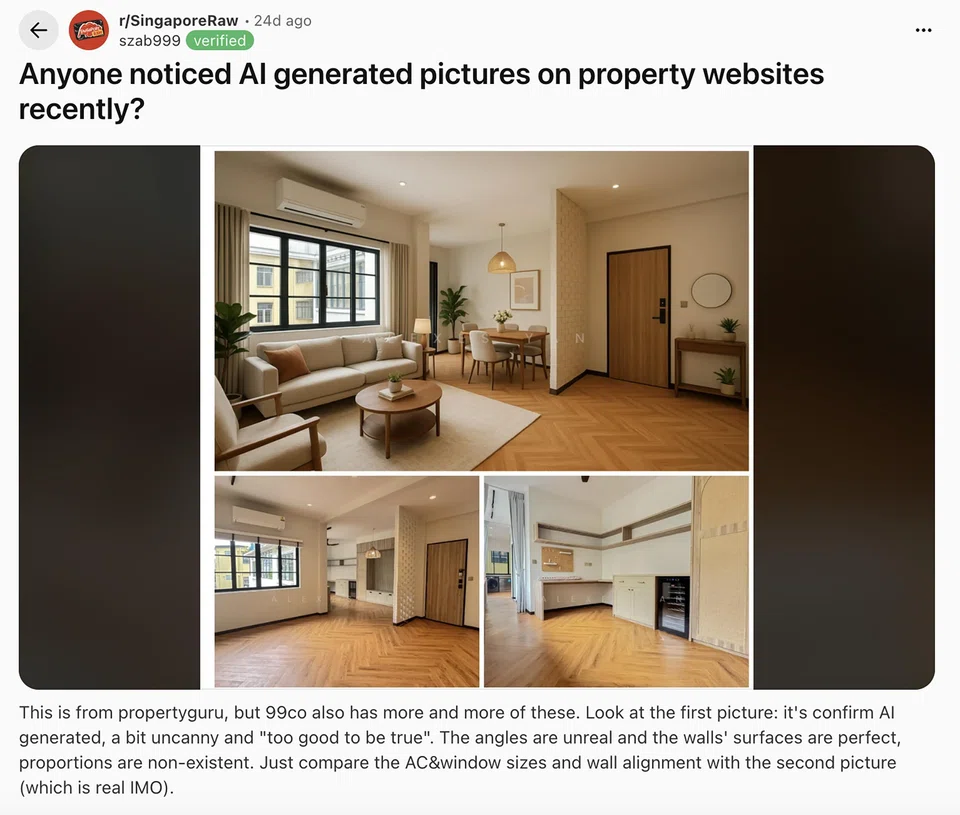
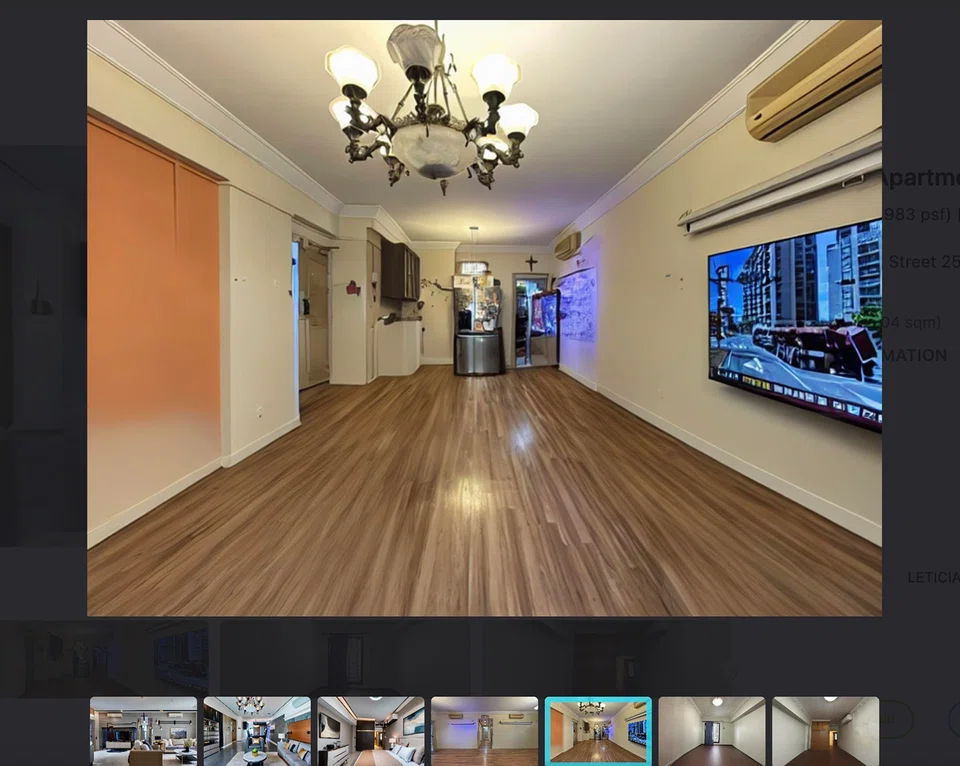
When software engineer Mr. Szabolcs was hunting for a new rental property in Singapore on PropertyGuru, a particular listing immediately raised red flags. Describing it as “too good to be true,” he noted that the “angles are unreal and the walls’ surfaces are perfect, proportions are non-existent.” He shared his findings on Reddit, igniting a conversation about the ethics of using generative AI in real estate marketing.
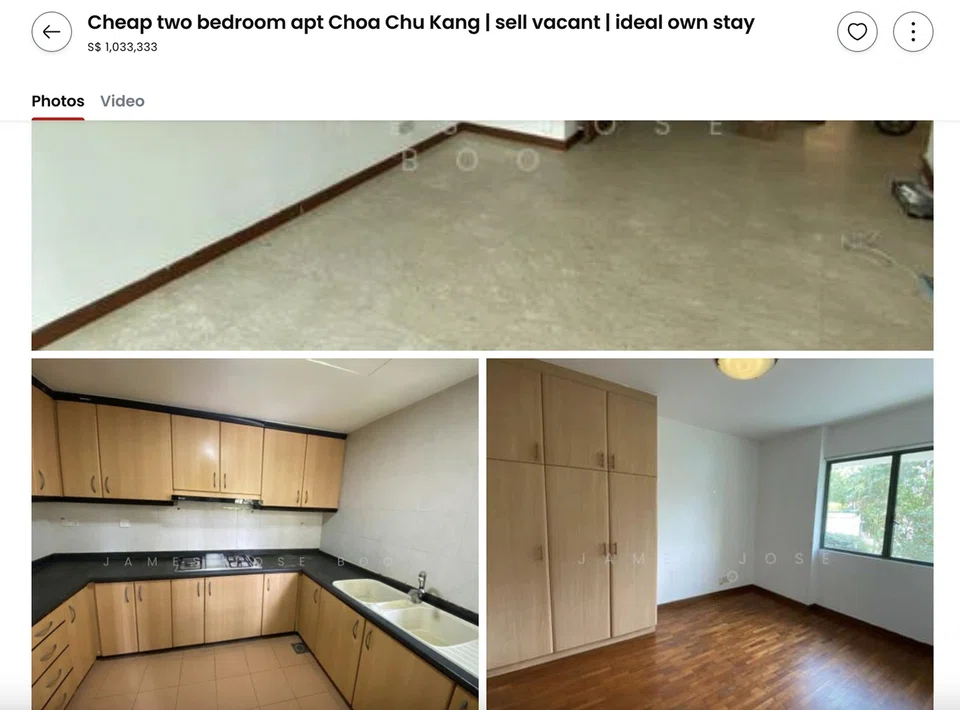
Netizens were quick to criticize the practice, with one calling it “unethical” and another pointing out how a ceiling beam seemed to have been digitally erased. The listing tellingly included images of the actual, unfurnished apartment, making the AI-enhanced discrepancies obvious.
“I understand ‘concept art’ for purchases... to see the possibilities a unit has to offer,” Mr. Szabolcs explained. “However, as someone looking to rent, it doesn’t make any sense.” He pointed out that tenants have little incentive or permission to renovate, making the idealized images feel like a “scammy tactic,” especially since the use of AI was not disclosed.
Why Are Agents Turning to AI?
This incident is not an anomaly but a reflection of a growing trend driven by market pressures. Raphael Yee, founder of the AI start-up Renderspace, which developed a virtual remodeling tool used by major agencies like PropNex and ERA, suggests the industry environment is a key factor.
“Home owners treat agents like trash,” he says. “They want them to sell quickly and sell for higher, but they don’t want to pack up and make the house look neater.”
Michele Cabasug, a senior associate vice-president at Sotheby’s International Realty, agrees. She notes that agents who pay for professional staging, which can cost thousands of dollars, risk the homeowner giving the listing to another agent. With little budget and no guarantee of an exclusive contract, AI has become an affordable and powerful tool for agents to create visually appealing listings and win over clients.
The Industry's Divided Response
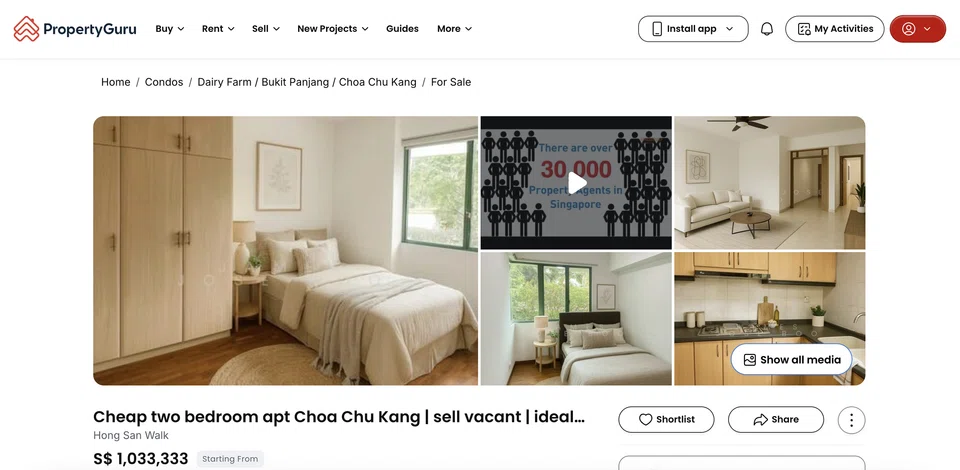
Property platforms are now grappling with this new reality. After being alerted to several examples, PropertyGuru stated that it does not allow “fully AI-generated photos” and uses an internal AI tool to monitor listings, taking corrective action where needed. In contrast, PropNex declined to comment on its use of AI.
Eugene Lim of ERA Singapore pointed out that regulations from the Council for Estate Agencies (CEA) require agents to use actual photographs that accurately represent a property. However, a common workaround appears to be mixing AI renderings with real photos without clearly labeling which is which. This practice treads a fine line between marketing and misrepresentation.
The Path Forward: A Call for Transparency
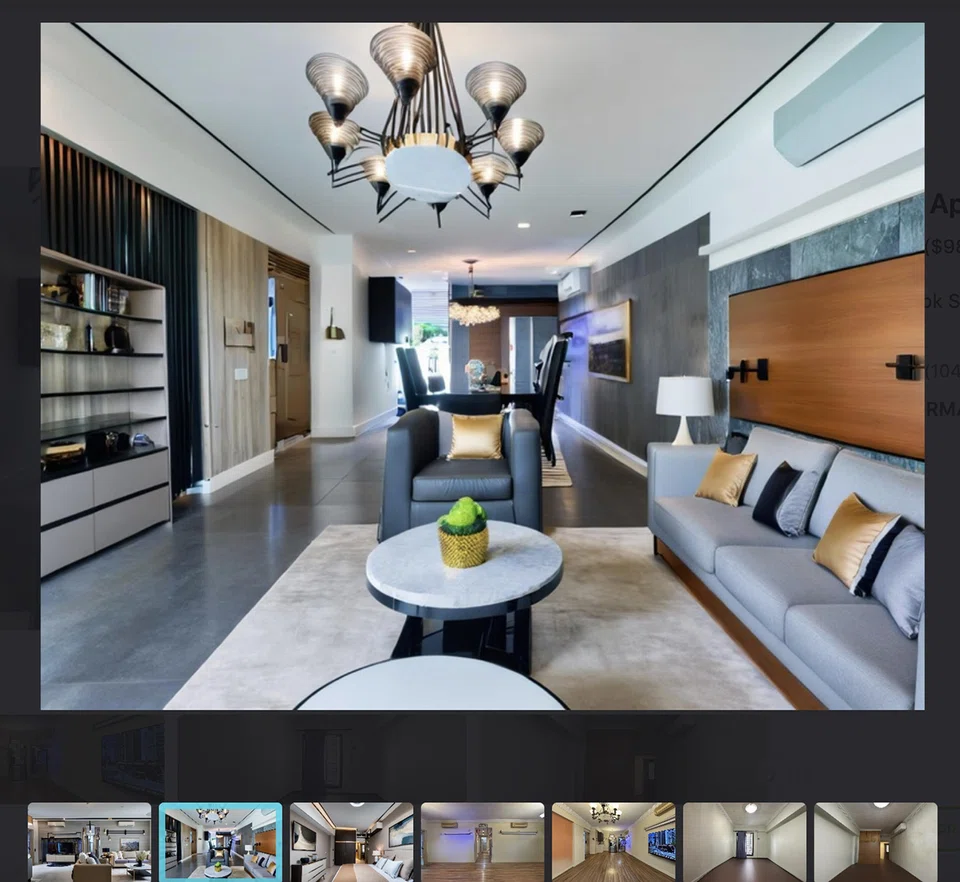
For consumers, spotting AI-doctored images is becoming increasingly difficult. Telltale signs can include bizarre visual artifacts, furniture that seems to blend into walls, or even revealing file names like “ChatGPT_image” upon download. Yet, in most cases, certainty is impossible without disclosure.
Photo touch-ups have always been part of real estate sales, but generative AI blurs the line between enhancement and outright deception. Shen Jiaming, a director at ERA, emphasizes the need for responsibility: “It should be used to help, not to deceive.” He and others, including Luqman Hakim of 99.co, advocate for clear disclaimers.
“At this stage, we believe that if a property image has been AI-generated or significantly altered, it should be labelled as such,” says Mr. Luqman.
Renderspace's Mr. Yee compares AI renders to traditional artists' impressions for new developments, arguing that buyers will renovate anyway. However, he also agrees that agents should state it in their descriptions.
Ultimately, the tactic carries a significant risk. As Ms. Cabasug cautions, especially for the rental market, there's a high chance of backfiring. “When people show up, they’re going to be disappointed, right?”

Comparer les plans et tarifs
Trouvez la formule adaptée à votre charge de travail et débloquez l'accès complet à ImaginePro.
| Plan | Tarif | Points clés |
|---|---|---|
| Standard | $8 / mois |
|
| Premium | $20 / mois |
|
Besoin de conditions personnalisées ? Parlons-en pour ajuster crédits, limites ou déploiements.
Voir tous les détails tarifaires